Drawing With Machines: Colors
Axidraw

p5.js

Python

vpype
Overview
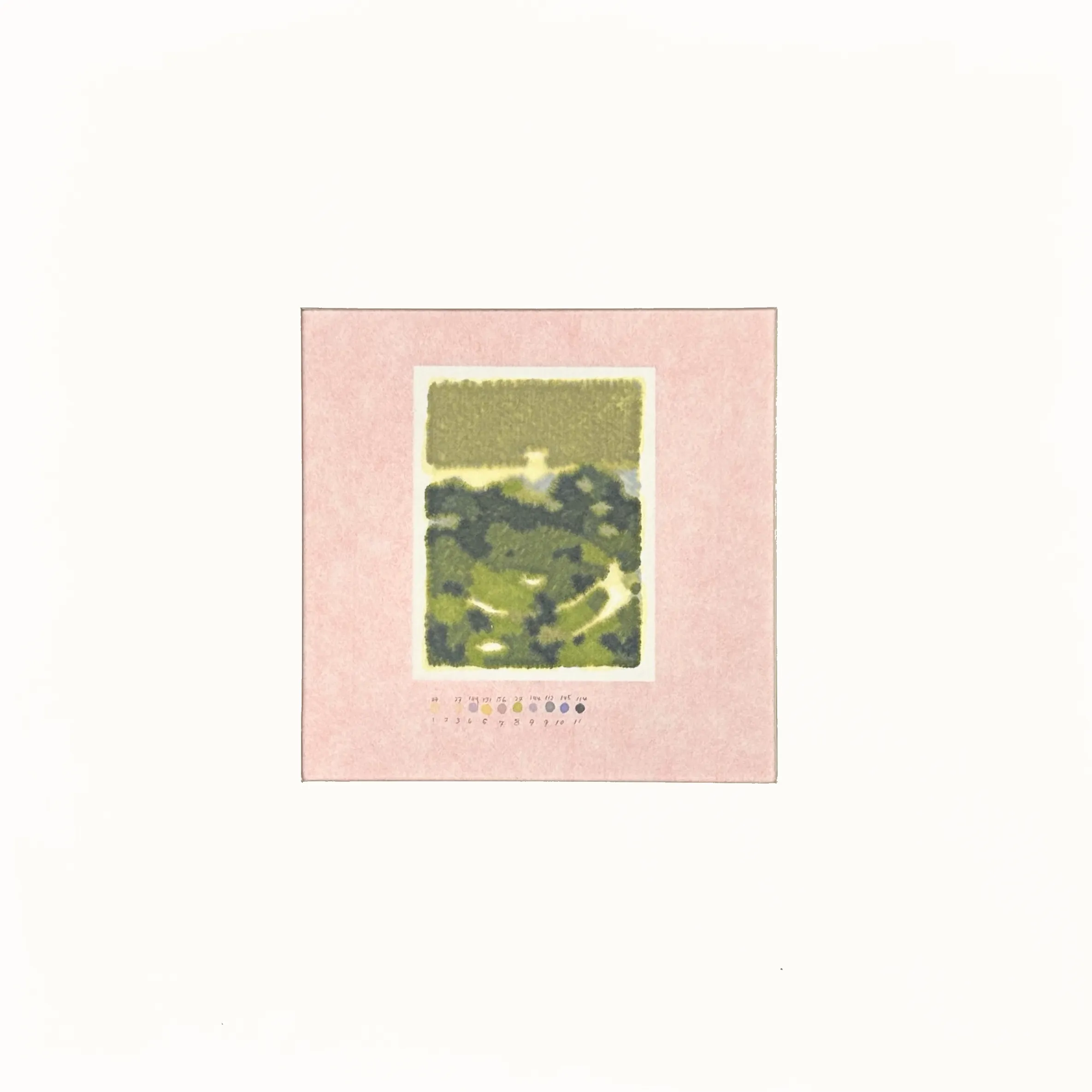
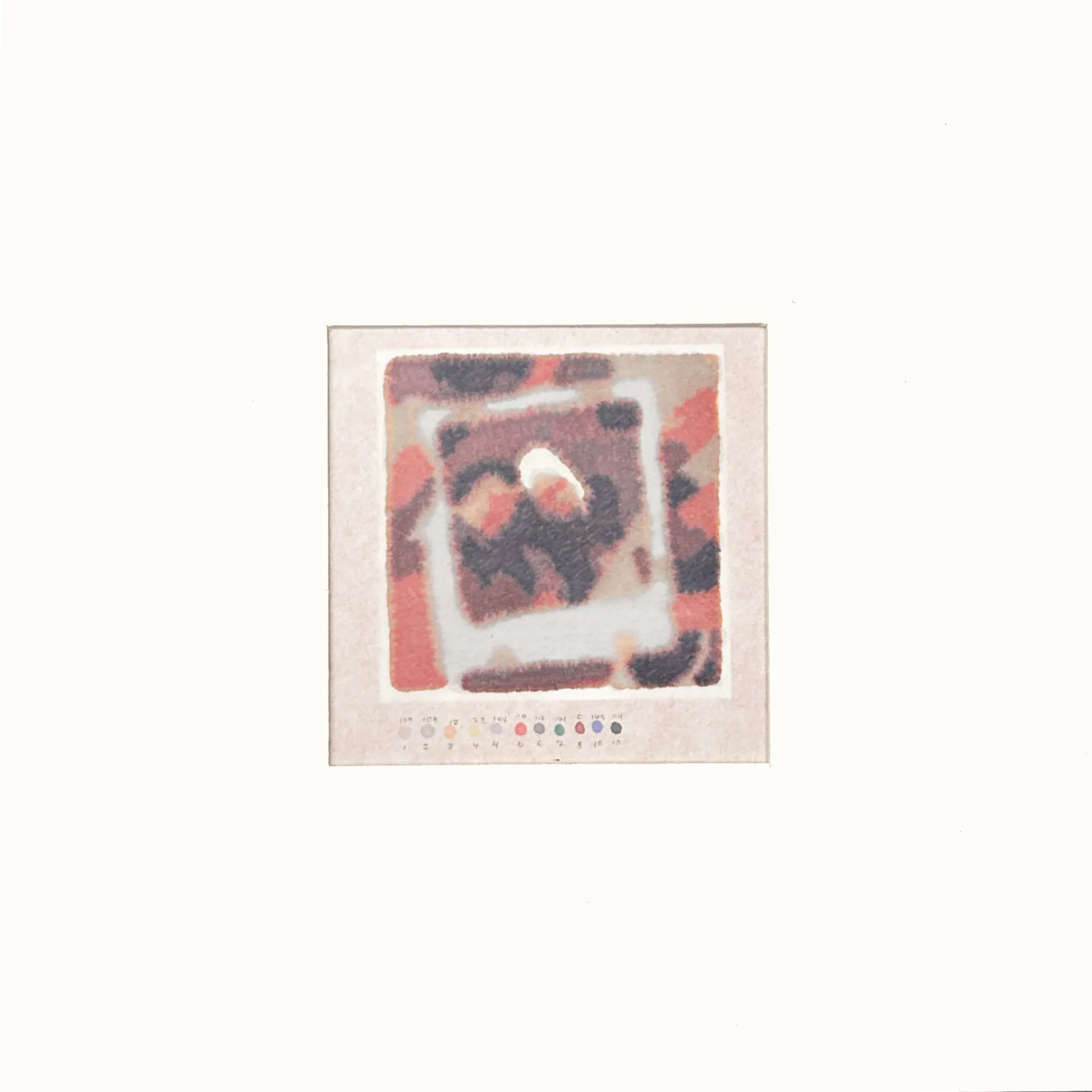
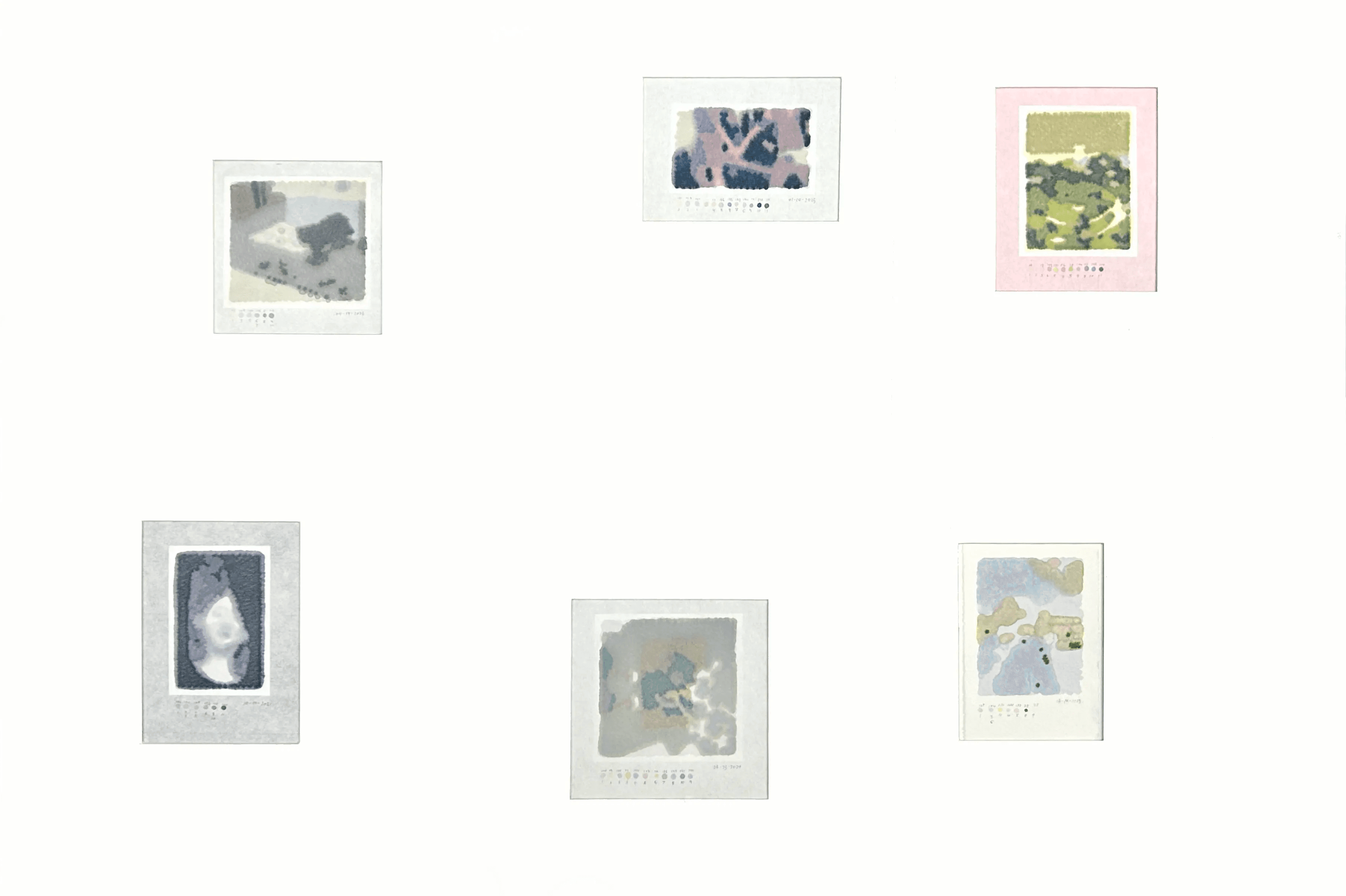
A drawing system designed to translate images into layered, hatched SVGs for pen plotting with colored markers. The project combines color segmentation with physical ink layering to produce plotted paintings that negotiate between mechanical precision and painterly abstraction.


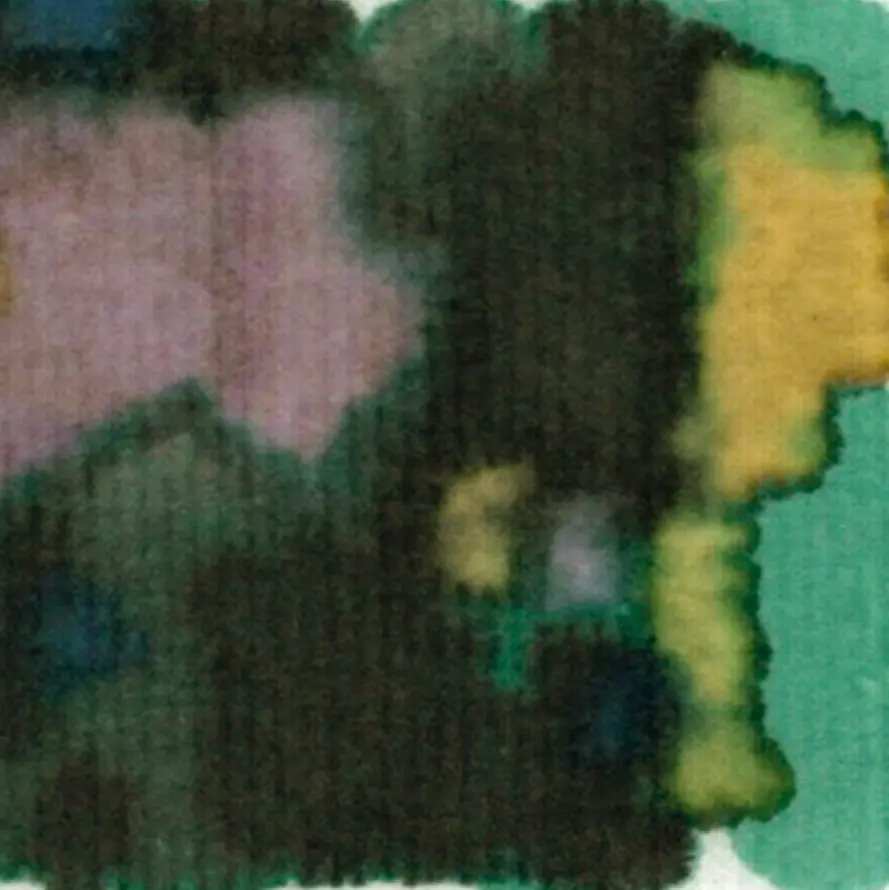
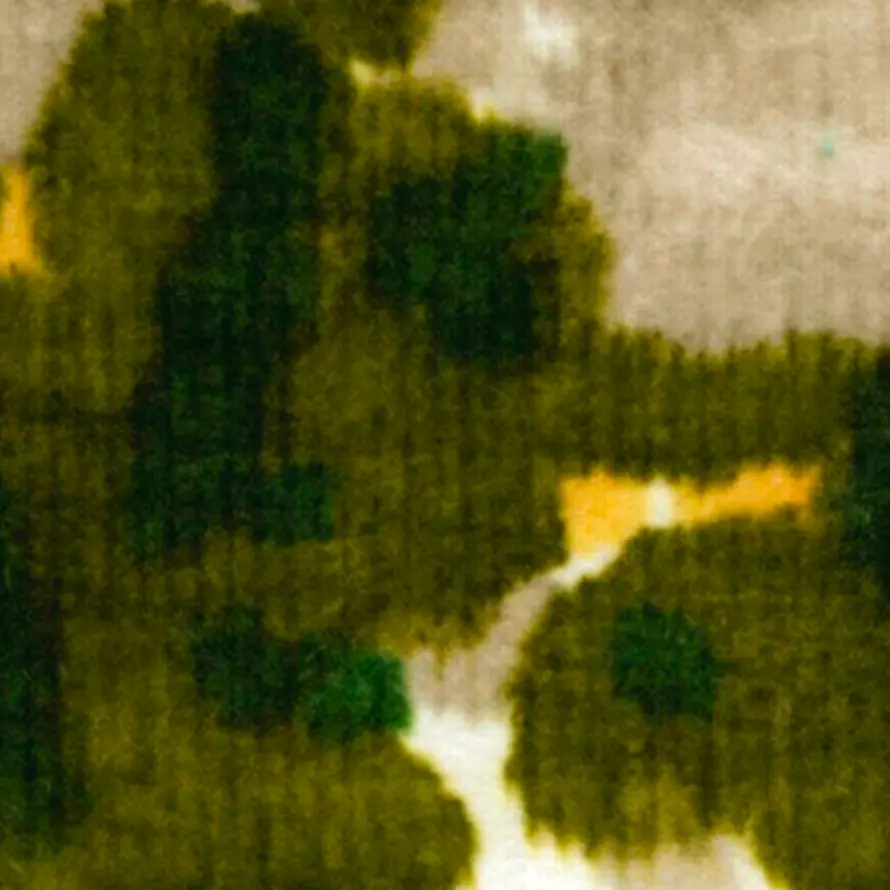
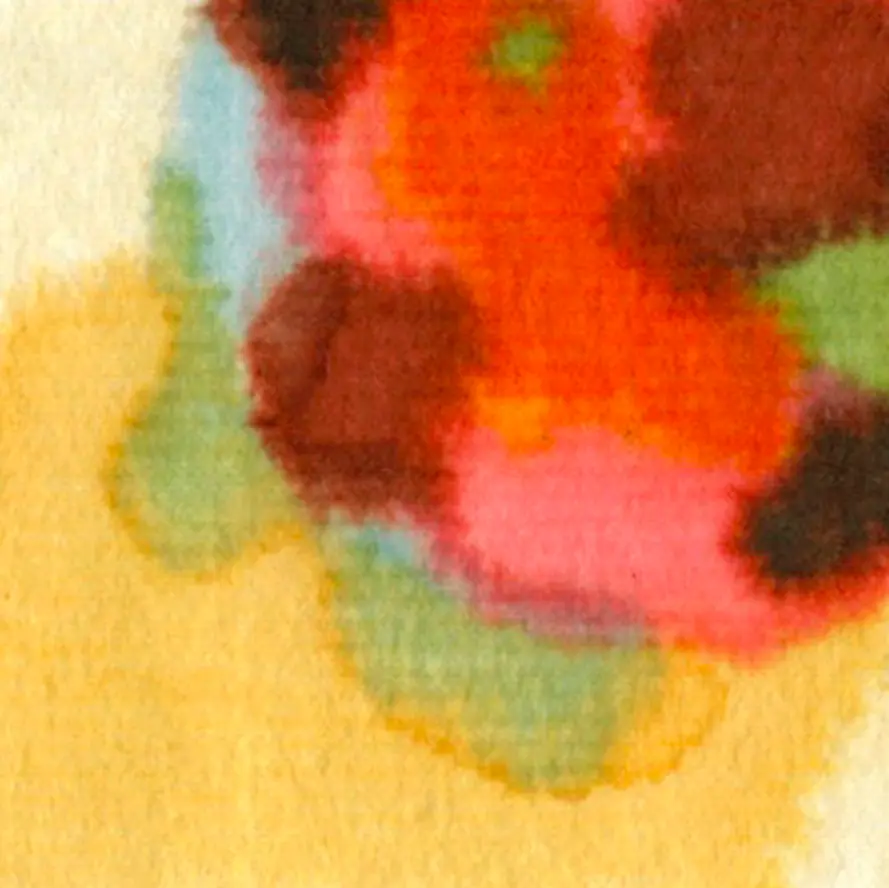
How can a precision machine make something painterly?
Pen plotters are designed for precision. This project explores how to make them behave otherwise. I wanted to work with less controlled materials that bleed, layer, and has more texture. Over the course of this project I experimented with watercolor, acrylic, and alcohol markers on yupo, printmaking, watercolor, and Xuan paper. These led to the development of a custom pipeline that converts photographs into multi-color hatched drawings that read more like paintings than prints.
The main challenge: Colors!
A photograph contains way more colors than a set of markers.
The algorithm identifies a small palette of foundation inks. Layered strokes then create a richer range of colors than any marker could produce alone.
The layering logic is similar to painting, light colors first as a base layer, and darker tones build on top. Colors in the same hue family share territory and contrasting colors stay strictly separate.
Paper absorbency, marker pressure, and ink bleed introduce variation that the artist nor the algorithm can fully control.
How it works
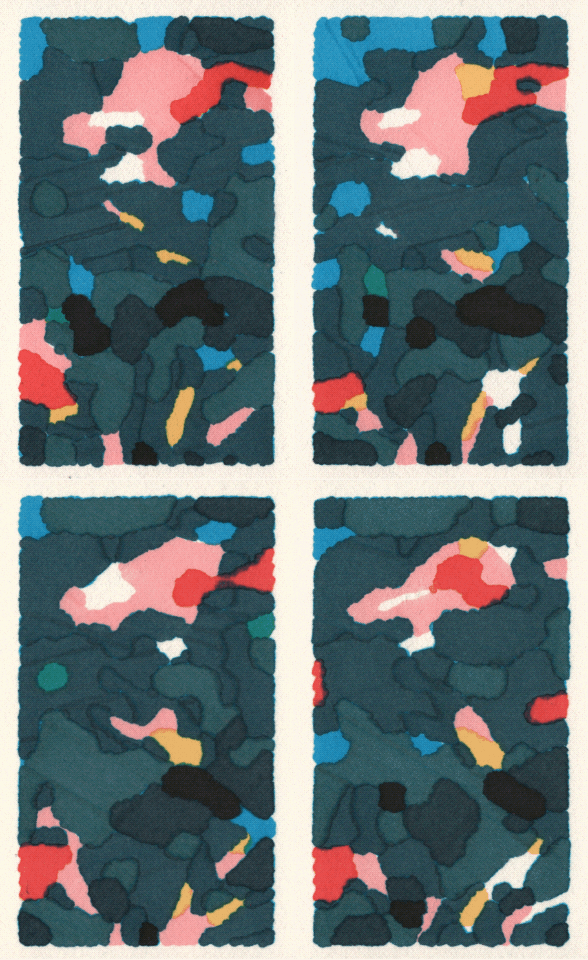
SLIC superpixels
Process
ITERATION 01
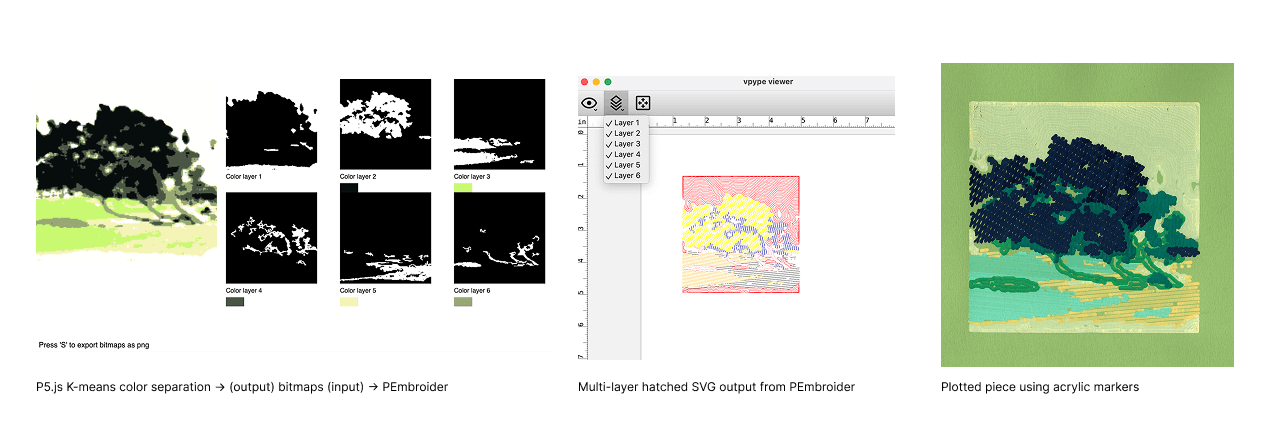
P5.js k-means color separation + PEmbroider hatching by bitmaps
Problems:
color slots wasted on value variation
noisy, less organic color patches
limitation/inflexibility for hatching in PEmbroider
data moving across two different work stations (P5.js and Processing)
ITERATION 02
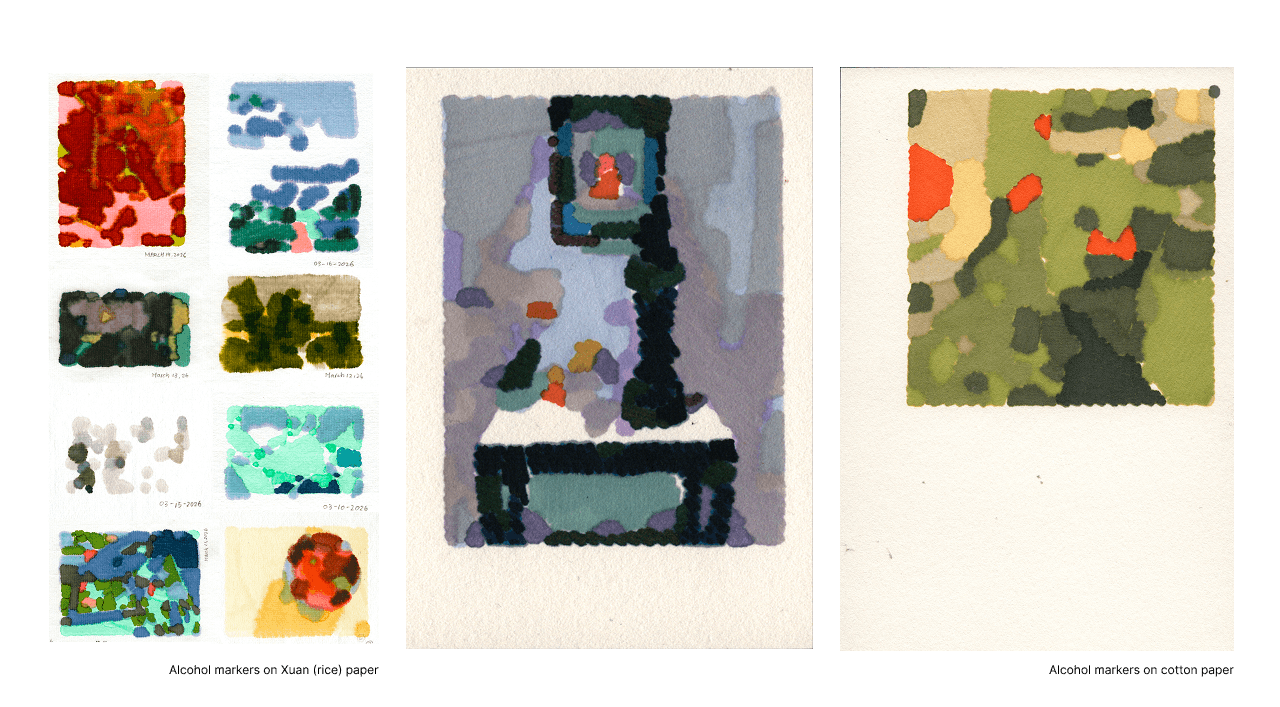
Moved entire pipeline to python
SLIC superpixels for perceptually coherent regions
SDF region inflation for smoothing
Hue based clustering
→ Organic edges, more effective color separation
Problems:
Every ink is independent, only covers their own regions, no overlap
color selection by clustering hues separately from grays, resulting in over-represented mid tones
ITERATION 03
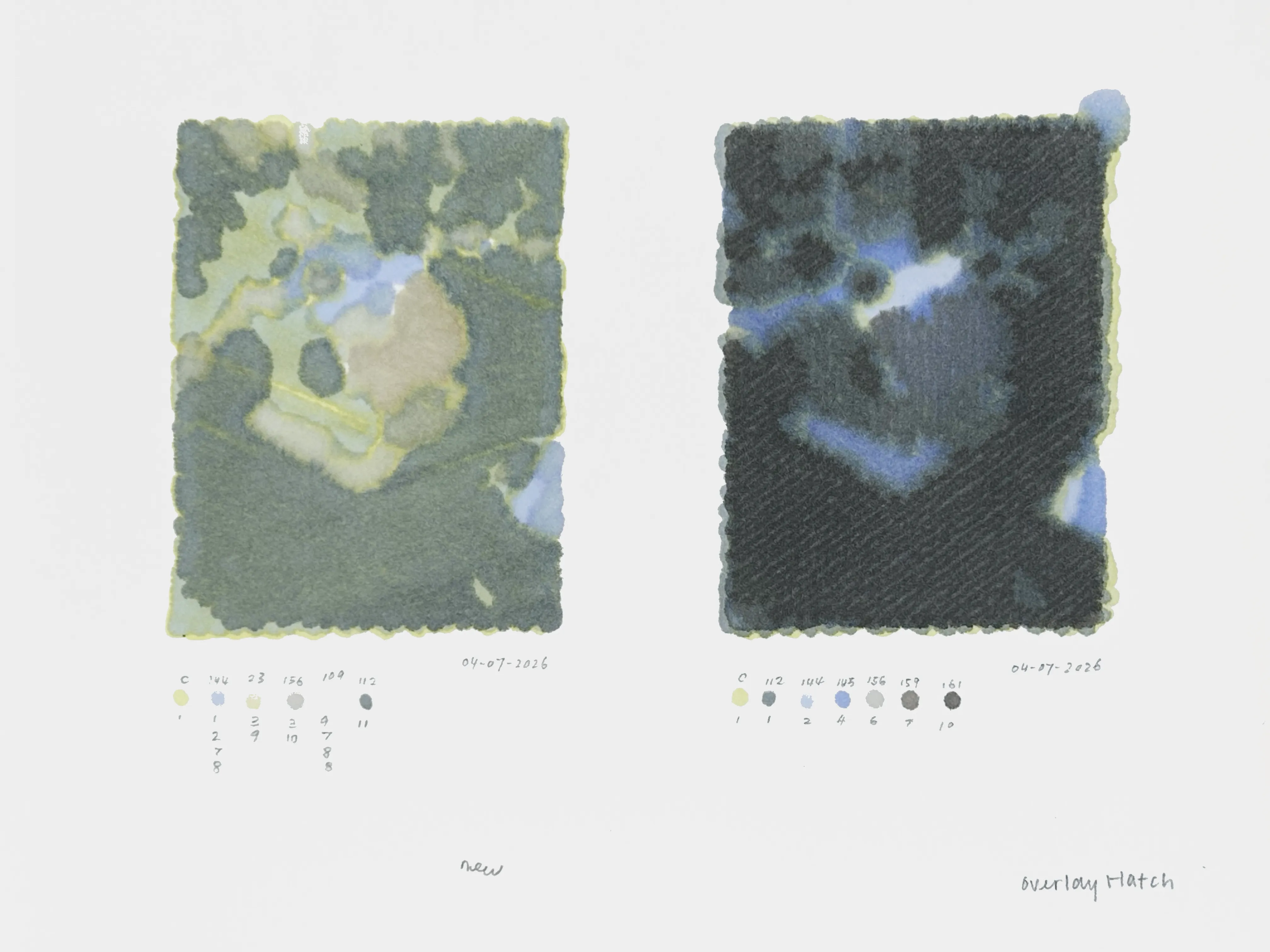
Minor adjustments:
Color layering: inks in the same color family share territory, colors build up from light to dark
Underpainting
→ Palette now spans a greater perceptual range & more nuanced colors
Final Plots